八挂海Abw实验4的背景与概述
近年来,科学界对于神经系统疾病和相关症状的研究逐渐增多。特别是在动物模型中进行的一些实验,为人类对这些复杂病理机制的理解提供了重要参考。其中,八挂海Abw实验4以其独特的方法学备受关注。这一实验主要探讨痉挛、口吐白沫等现象如何在一定条件下被诱发,从而揭示潜在生物机理。
痉挛及其成因分析
痉挛是一种不自主的肌肉收缩,其原因可能涉及多个方面。在八挂海Abw实验4中,通过刺激特定脑区来观察反应,可以了解到不同类型痉挛背后的诸多因素。例如,中枢神经系统损伤、代谢异常或电解质失衡都能引起此类症状。而这种方法不仅限制于简单观察,更为深入解析各种影响因素打下基础,对未来治疗方案设计具有指导意义。

口吐白沫现象的生理解释
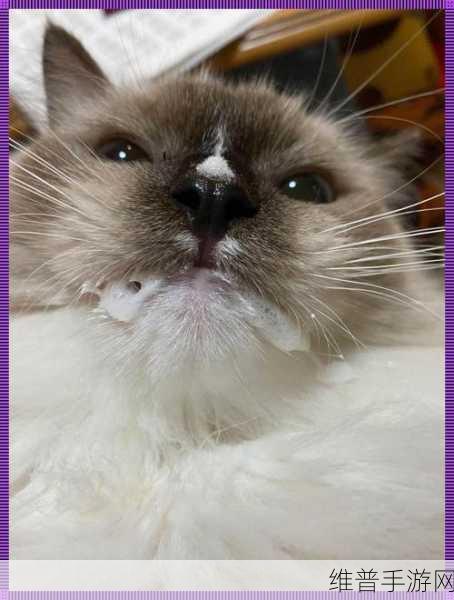
口吐白沫常见于某些急性疾病状态,如癫痫发作。然而,在八挂海Abw实验中的表现却有着更深层次的信息传递。当通过外部刺激后出现该现象时,说明大脑皮层和脊髓之间发生了信号异常,这也提示可能存在毒素作用或者其他致病机理。因此,该过程可以作为评估神经元功能的重要指标,对于临床诊断提供辅助信息。
科研价值与实际应用前景
This experiment has significant research value. By examining the mechanisms behind spasm and foam at the mouth, researchers can better understand how certain neurodegenerative diseases develop. The insights gained may lead to more effective therapeutic methods for conditions like epilepsy or multiple sclerosis. Furthermore, findings could influence drug design aimed at modulating neural excitability.
道德考量与伦理问题
The use of animal models in experiments such as the Eight Trigrams Sea Abw Experiment 4 brings ethical considerations to light. Researchers must ensure that experimental protocols prioritize animal welfare while seeking valuable scientific knowledge. Transparent reporting and adherence to ethical guidelines are crucial in mitigating concerns related to cruelty and suffering during experimentation.
公众认知与科普教育的重要性
The results from studies like these should not only be confined within academic circles but also shared with the broader public. Increasing awareness about neurological disorders through education initiatives can help reduce stigma associated with these conditions. Public forums, workshops, or online resources can provide platforms for sharing information derived from such experiments, ensuring a well-informed society poised for discussions on health issues.