探索含羞草实验的神秘世界
科学研究常常带给人们意想不到的发现,含羞草这一植物便是一个生动的例子。它因其独特的“害羞”特性而受到广泛关注。这种现象不仅吸引了无数好奇心驱使的人前来观察,更激发起科研工作者对其背后机制与潜在应用价值进行深入探讨。通过掌握这种植物如何感知外界刺激及相应反应,可以帮助我们更好地理解生命体对环境变化做出的智能反馈。
含羞草特点解密
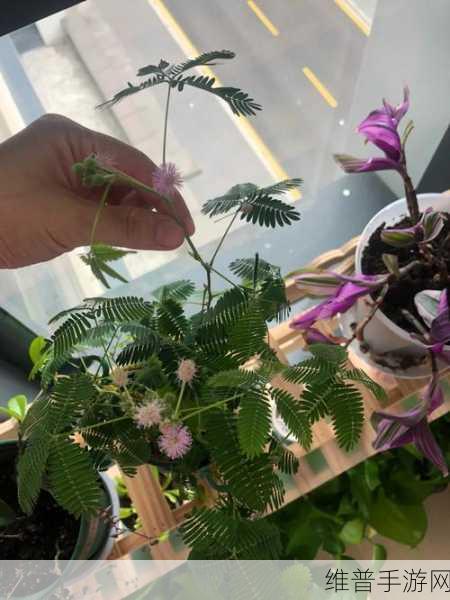
该植物具有惊人的触觉响应能力。当叶片受到碰撞或其他物理接触时,它会迅速闭合并下垂,这一过程称为“快速运动”。许多因素可以导致这种反应,包括机械压力、温度变化和光照强度等。这种自我保护机制可能源于进化过程中,为避免被食草动物啃食提供了一定保障。细胞膜内钙离子的流动以及肌肉纤维收缩协同作用,使得这样的动作成为现实。

隐藏路线与生态系统互动
通过对含羞草行为模式的分析,科学家们逐渐揭示出其中隐含的一些有趣线路。例如,当周围环境改变或者存在威胁信号时,该植物能够选择适当的方法以快速调整自身状态。此外,此类反应不仅限于单一个体之间,还涉及到整个生态系统内部各种生物之间的信息交流。这表明,某些情况下,即便是不具备复杂神经系统的生物,也能实现一定程度上的沟通和合作,以保持族群繁衍发展的稳定性。
技术启迪:借鉴自然智慧
An increasing number of researchers are turning to nature for inspiration. The mechanisms observed in sensitive plants like Mimosa pudica can be applied across various fields, including robotics and environmental monitoring systems. For instance, designing artificial sensors that mimic the fast response mechanism found in these plants may lead to advanced technology capable of swiftly reacting to changes in their surroundings.
社会文化影响力
The fascination with sensitive plants extends into cultural domains as well. Various art forms have been inspired by this plant's unique attributes, prompting discussions about human emotions related to touch and reaction. Artists often interpret the closing leaves as a symbol of vulnerability or defense against external stimuli, creating powerful narratives around concepts such as intimacy and trust.
教育意义与未来展望
This intricate relationship between organisms responding dynamically to their environment serves as a compelling educational tool. Schools and universities incorporate hands-on experiments involving sensitive plants into biology curricula effectively engaging students’ interests while fostering an appreciation for ecological balance and biodiversity conservation efforts in our world today.