美国人口发展趋势
过去几十年,美国的人口增长率经历了一系列波动。目前,尽管面临出生率下降和移民政策变化的挑战,整体人口依然保持稳步增长。2020年数据显示,美国总人口已超过三亿人。在未来几年中,预计这一数字仍将继续增加,但增速可能放缓。
一些因素驱动了这种现象,包括经济机会、教育水平提高以及医疗条件改善等。此外,各州之间的人口流动也在影响总体结构,例如,加利福尼亚、德克萨斯及佛罗里达等州吸引大量新居民,而东北部一些州则出现外迁现象。
日本的人口危机
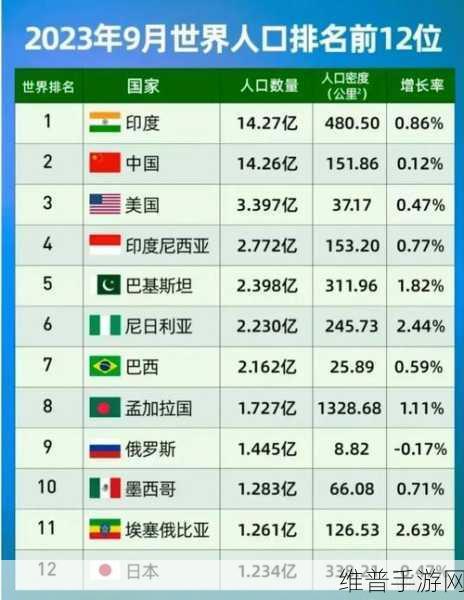
与美国形成鲜明对比的是,日本正处于严重的人口危机之中。这一国家的生育率长期低迷,目前已降至每位女性约1.34个孩子,这远低于维持人口所需的2.1个。因此,总体年龄结构逐渐老化,对社会保障体系造成巨大压力。
政府采取多项措施以应对这一问题,比如鼓励年轻家庭生育,同时提供更好的托儿服务和财政支持。然而,即便如此,由于文化习惯及就业市场的不确定性,人们对于结婚和生育的意愿仍显不足,这使得解决方案效果有限。
韩国:从高峰到困境
近年来,韩国同样面临着日益严峻的人口挑战。从1960年代开始,该国曾经享受过快速发展的“婴儿潮”,然而最近十年的数据表明,其生育率持续走低。根据统计局发布的信息,在2022年,每名妇女平均只生育0.78个孩子,为全球最低之一。
Korean culture emphasizes education and career advancement, which often leads to delayed marriage and childbearing. The government has attempted various strategies including financial incentives for families with children, yet the effectiveness remains questionable due to persisting societal norms.
俄罗斯:复杂而多元的发展轨迹
The demographic situation in Russia is highly complex, influenced by historical events such as the collapse of the Soviet Union and subsequent economic turmoil. After a significant decline in population during the 1990s, recent years show signs of stabilization and even slight growth attributed largely to improved healthcare systems leading to increased life expectancy.
An important aspect of Russia's demographics includes regional disparities; major cities like Moscow experience an influx of migrants while rural areas see depopulation trends continuing unabated. Additionally, policies encouraging immigration from former Soviet states aim at mitigating these challenges but face cultural integration hurdles.
各国应对策略分析
A close examination reveals that虽然四个国家都面对不同程度上的种族构成改变与社会经济不平衡,但它们采取的方法却大相径庭。例如,美国更多地依赖移民来填补劳动力缺失,而日本则更加注重内部政策创新,如深化职场改革,以适应现代工作的需求。同时,对于养老系统进行必要调整也是确保可持续发展的重要一步。
``` 热点话题: - 移民政策如何塑造未来五年的美国产业格局? - 日本是否能通过科技手段逆转人口下滑趋势? - 韩国青少年心理健康与其极低出生率间存在何种关联?