韩国三色电费制度的背景
韩国的三色电费制度是一种针对用电量分级收费的政策,旨在鼓励节约用电并合理利用能源。这一制度设立于2000年,通过对居民和商业用户不同时间段内的用电价格进行调整,实现了高峰时段与非高峰时段的差异化定价。该策略不仅有助于平衡国家能源负荷,也促进了可持续发展的目标。
如何运作?
根据这一制度,整个一天被划分为三个主要时间段:尖峰期、平稳期和低谷期。在尖峰期间(通常是晚上6点到10点),由于家庭和企业集中使用空调、电器等设备,用电需求最高,因此费用也相应增加。而在低谷时期,如凌晨或清晨,则提供较低的电价,以鼓励人们将一些耗能活动安排在此时。例如,洗衣机、洗碗机等家用设备可以选择在夜间运行,以减少支出。
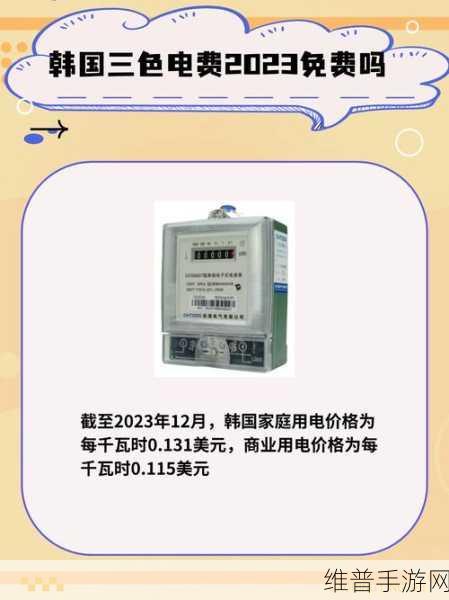
实施效果分析
自从实施这一机制以来,各类数据显示,该政策显著降低了整体用电量,并有效地缓解了高峰时期供需紧张的问题。许多消费者开始主动适应这种新的生活方式,将日常活动安排到更便宜的时间,从而达成节省开支以及减轻环境压力双重目的。此外,这一措施还推动了一些新技术的发展,例如智能家居系统,可以自动识别并优化使用成本,更加契合现代人的生活习惯。
用户体验及反馈
User experience is a crucial factor in evaluating the effectiveness of any policy. For many households, transitioning to this system required some adjustment. Some users expressed initial confusion regarding which devices should be used during different time periods. However,随着对系统了解逐渐深入,大多数家庭表示他们能够明显感受到经济上的收益。有些甚至通过简单的软件应用程序来监控实时消耗情况,并做出及时决策,从而进一步提高管理效率。

特别优惠与补贴项目
Korea's three-color electricity billing system not only serves as an incentive for responsible energy consumption but also includes various subsidies and incentives for low-income families and businesses that actively adopt energy-saving practices. The government has introduced programs to help these groups reduce their financial burden while promoting overall environmental responsibility.
未来展望与挑战
The future of the three-color electricity pricing system looks promising yet challenging due to rapid technological advancements in smart grids and renewable energies. As more people switch to electric vehicles or install solar panels, traditional billing methods may need further adaptations to stay relevant with evolving usage patterns. Balancing demand management with innovation will require ongoing collaboration between policymakers, utility companies, and consumers alike.