51cg10 吃瓜事件概述
近期,51cg10 吃瓜事件引发了广泛关注。这场风波源于一位主播在直播过程中涉及到的争议性言论,引起网友们的热烈讨论。随着各方力量的加入,这个话题逐渐演变成了一次关于网络文化、道德标准和社会责任的大辩论。
事件经过及参与者反应
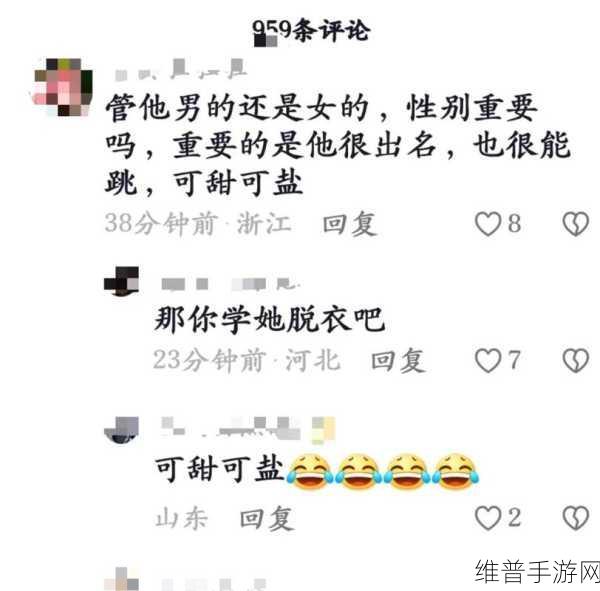
事态的发展迅速,各大社交平台上都充斥着对此事件不同看法的评论。一些支持主播的人士认为,其言论只是个人表达,并不应该被过度解读或扩展影响。而另一部分人则对这一行为表示强烈不满,认为公众人物需要承担更大的社会责任。在此背景下,多位相关人士也开始发表意见,包括媒体记者、心理学专家以及法律工作者,他们从多个角度分析了事情背后的深层原因。
舆论分歧与网民反响
围绕这个吃瓜事件,不同群体之间产生了明显的分歧。很多用户通过网络平台积极地分享自己的看法,有人呼吁增强对内容创作者职业操守培训,以避免类似情况再次发生。同时,也有不少网民选择站在娱乐至上的立场,用调侃和幽默来消化这件事情,从而减轻其带来的负面情绪。
政策层面的考量
This incident has also prompted discussions on policy implications. Regulatory bodies might need to reassess current guidelines for online content creation and platform accountability. The debate around whether stricter regulations are necessary or if self-regulation by creators should suffice is ongoing, indicating that this event touches upon larger issues within the digital landscape.
行业自律与未来发展方向
The 51cg10 incident serves as a crucial reminder of the importance of industry self-discipline in maintaining healthy communication channels. Content creators may find it beneficial to establish community standards amongst themselves to prevent similar controversies from arising in the future. This could lead to healthier interactions between influencers and their audiences, fostering an environment where constructive dialogues thrive instead of sensationalism.
"吃瓜"文化的新变迁
"吃瓜"作为一种流行语汇聚了众多年轻人的注意力,但它所承载的不仅是八卦,更是一种对于热点新闻快速消费后果的反思。从某种程度上说,“吃瓜”不仅仅是获取信息,而是一种集体体验,是互联网时代特有的一种社交现象。因此,对于这种文化进行深入探讨显得尤为重要,它将如何塑造未来的信息传播方式也是值得关注的话题。