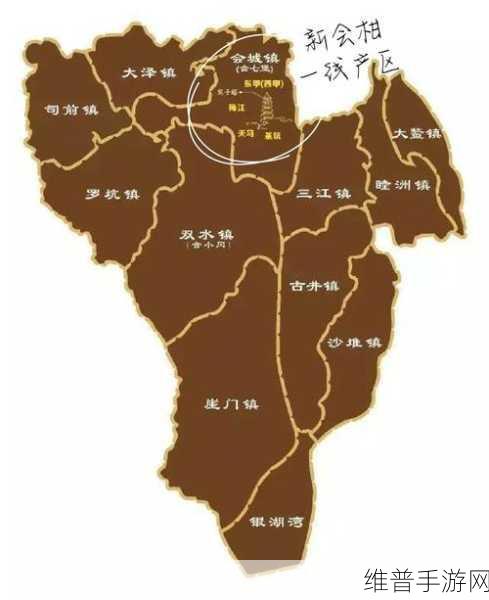
一线产区的魅力与挑战
一线产区以其卓越的地理位置和优渥的气候条件,成为了众多农产品生产的重要基地。在这些地区,土壤肥沃、阳光充足,加之现代化的农业技术,使得这里出产的新鲜果蔬及其他农作物品质上乘。这些优势使得一线产区不仅在国内市场具备竞争力,也逐渐向国际市场扩展。消费者对新鲜、高质量食材的追求,使得这一片土地愈加受到青睐。
然而,一线产区也面临着不少问题。其中包括资源过度开发导致环境恶化、水源短缺以及劳动力成本上升等。一方面,为了满足日益增加的人口需求,这些地区不得不提高生产效率;另一方面,不可忽视的是持续增长所带来的生态压力。因此,可持续发展的理念亟需被引入,以平衡经济收益与环境保护之间的关系。
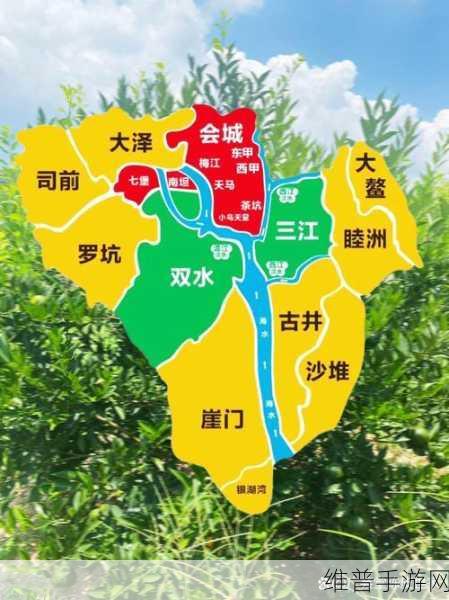
二线产区的发展潜力
相比于成熟的一线区域,二线产区往往拥有更大的发展空间和潜力。虽然起步较晚,但凭借相对低廉的土地价格和丰富的人力资源,许多创业者选择在这些地方建立自己的农业项目。这为当地居民提供了就业机会,同时推动了乡村经济的发展。另外,由于是新兴产业,相应政策扶持力度普遍较大,各类资金支持、培训计划不断推出,有助于提升整体生产水平与管理能力。
尽管二线产生了一定程度上的吸引力,其基础设施建设仍然显得不足,包括交通运输、电商平台等配套服务未能完全跟进。在这样的背景下,提高物流效率,将极大促进农产品销售,并帮助企业迅速开拓市场。此外,当地政府需要进一步优化营商环境,加强法律法规保障,让更多投资者能够安心进入该领域,实现共赢局面。
不同消费群体对于粮食安全意识增强
The growing awareness of food safety among consumers is influencing both first and second-tier agricultural regions significantly. One-line producers are often seen as the benchmark for quality, with stringent standards in place to ensure product safety. As a result, they command higher prices in retail markets due to their reputation for reliability.
This trend encourages second-tier areas to enhance their production methods and adhere to similar standards of excellence. Farmers are increasingly investing in organic farming practices or certifications that highlight sustainability efforts, making them more attractive choices for health-conscious buyers looking beyond mere price points.
E-commerce赋能农村振兴
E-commerce has emerged as a powerful tool promoting rural revitalization across various agricultural sectors. By providing farmers from both first- and second-tier regions direct access to urban customers, online platforms help eliminate middlemen who previously inflated costs while diminishing profits for growers themselves.
This shift opens up new marketing channels where high-quality products can gain visibility without geographical constraints; thus enabling local specialties—be it fruits from subtropical climates or unique artisanal goods—to reach broader audiences eager for diversity in their diets. Greater connectivity also fuels collaboration opportunities between diverse stakeholders—from tech innovators deploying smart solutions tailored specifically towards agribusiness challenges posed by climate change concerns all through sustainable sourcing models enhancing transparency throughout supply chains alike.