理解欧洲尺码与日本尺码的差异
选择合适的服装时,了解不同地区的尺码体系显得尤为重要。欧美和日本在尺码定义上有着明显区别,这可能会导致消费者在选购衣物时产生困惑。因此,在购买前掌握这些信息,可以有效避免因尺寸不合而带来的麻烦。
欧洲尺码介绍
欧洲国家普遍采用一种基于厘米长度的标准化尺码系统。例如,一件标示为“38”的女装实际上是指胸围约为84-85厘米。这种精确性使得顾客能够大致判断出所需尺寸。在男装方面,通常使用的是46或48等数字,以相应身体部位的实际测量值作为依据。虽然每个品牌之间可能存在微小差别,但整体而言,该系统保持了一定的一致性。
日本尺码概述
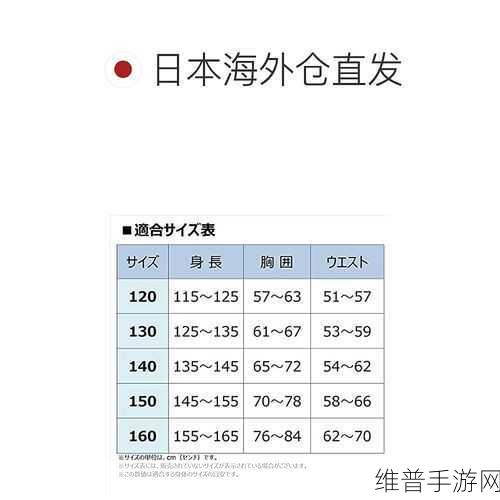
日本则采取了另一套独特的方法来划分服装尺寸,其基础同样源自人体测量数据。女性常用XS、S、M、L等字母表示,而男性则多以数值形式如175(身高)或XL等进行区分。然而,由于文化和市场需求,日本牌子的设计往往更注重修身效果,因此即便表面上看似相同,实际穿着体验却可能截然不同。
如何转换两者间的尺码
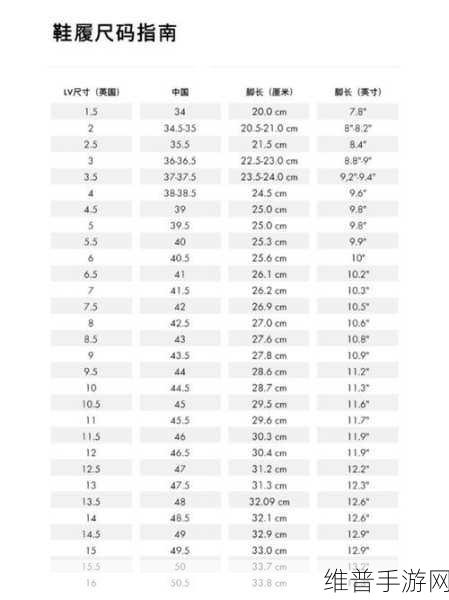
对于经常跨国购物的人来说,正确地将欧规与日规寸转换显得至关重要。有一些通用公式可以帮助简化这一过程。例如,如果想要购买一款来自欧洲品牌且标识为42号男鞋,可以参考以下步骤:42号对应的大约是26.5到27厘米,而这个范围内正好是在日本市场上的25.5到26号。所以,从某种程度上讲,通过这种简单计算就能找到接近自己理想选择的问题解决方案。
注意因素及建议
No matter which system is being used, personal fit preference also plays a huge role in achieving the perfect outfit choice. Many individuals prefer tighter or looser fits depending on style and comfort levels; therefore trying items on before purchasing is always advised when possible.
If shopping online, checking size charts provided by brands can be essential for ensuring an accurate match between European and Japanese sizes. Some retailers provide conversion tables that compare different sizing standards side-by-side to ease this process significantly.
Pitfalls to Avoid When Shopping Across Borders
Size charts are helpful tools available through most brands' websites.- Avoid making assumptions based solely on labels without considering measurements as mentioned earlier about length conversions since cuts vary widely across cultures!
- Dressing styles may differ greatly so what looks good visually doesn't necessarily translate well into another market context—always consider how designs adapt relative local trends!