欧洲尺码与亚洲尺码的起源
在全球化日益加深的今天,服装、鞋履等产品的尺寸体系逐渐成为消费者关注的焦点。尤以欧洲和亚洲这两个地区为甚,它们各自拥有独特且复杂的尺码标准。这些差异不仅反映了文化背景,还展示了不同市场对舒适性和美观性的追求。
欧洲尺码系统的发展历程
欧洲国家采用了一套较为统一且相互关联的尺码标准。最早可以追溯到20世纪初,当时一些制衣工厂为了提高生产效率,将传统手工测量制度转变成一种更具规范性的模式。1951年,为了解决跨国贸易中出现的问题,国际上首次提出了“ISO”组织进行相关研究,从而形成现在我们所知晓的一系列数字型尺码。
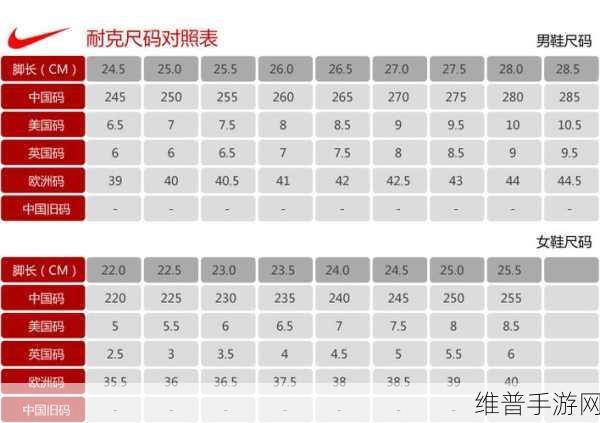
这种标记方式通常由一组数字表示,例如男士衬衫可能会有38、39这样的编号,而女式连衣裙则使用34、36等。在这个体系中,每个号码对应着一定范围内的人体测量数据,如胸围、腰围或臀围,这使得消费者能够更加方便地选择合适款式。而这些规格也随着时代演进不断微调,以适应人体形态变化及流行趋势.
亚洲尺码系统背后的因素
相比之下,亚洲国家尤其是中国、日本和韩国,其设计理念往往偏向于曲线优雅以及多样化表现。因此,各大品牌在进入亚太市场时,需要考虑当地人的身体比例与审美习惯。此外,各国之间存在明显差异,比如日本人普遍身材较小,因此其寸位就比欧美低许多。同样,中国大陆、新加坡等地亦有自己专属的调整规则,让同款商品能更好吸引本土顾客。
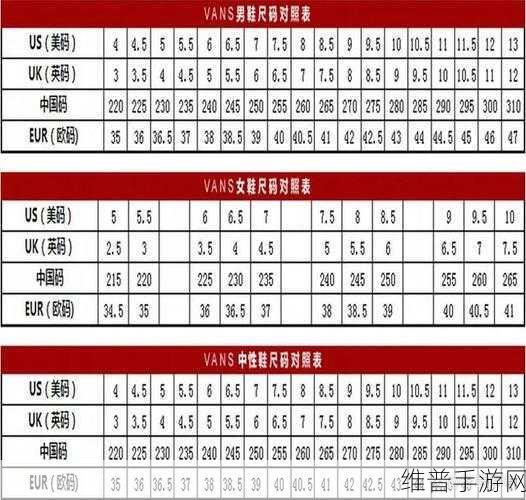
例如,中国常见大小用字母S(小号)、M(中号)、L(大号)来区分,但实际上每一个字母后面又都有具体数值作为补充说明,使得购物体验虽然简单却不失精准。然而,由于缺乏行业统一标准,不同品牌间即便是同一尺寸也难免产生误差,这让不少买家感到困惑。
Cultural Influences on Sizing Systems
Cultural factors significantly influence the sizing systems in both European and Asian markets. In Europe, where fashion is often intertwined with cultural heritage, sizes may vary based on historical styles and body types that have evolved over centuries. The preference for a tailored fit versus a looser style can lead to variations even within the same country, further complicating size selection for consumers.
The situation is quite different in many Asian countries; here, there tends to be a greater emphasis on trends influenced by popular culture such as K-pop or J-pop idols whose slim figures set unrealistic standards affecting how brands choose their measurements. Consequently, what might be deemed medium-sized clothing could indeed feel tight or ill-fitting when worn by everyday shoppers.
Sizing Confusion: Consumer Experiences
This confusion surrounding sizes leads to frustrations among consumers who are left guessing about which size would suit them best before making an online purchase or stepping into stores. Many individuals find themselves having to try multiple items across various brands just to identify one piece of clothing that fits properly—an experience made more challenging given each brand’s unique interpretation of standard measurements.
The Online Shopping Dilemma
Selecting clothes online introduces another layer of complexity as detailed descriptions along with accurate measurement charts become essential tools yet remain inconsistently provided across platforms. This discrepancy not only wastes time but also increases return rates due largely because customers cannot accurately anticipate whether an item will match expectations upon arrival at their doorsteps.
### 当前热门话题 - 尺寸标准如何影响在线购物体验 - 不同文化下穿衣风格对消费行为的影响 - 如何准确解读国际服饰品牌提供的信息