亚洲尺码与欧洲尺码的基础对比
服装尺码在不同地区存在显著差异,尤其是亚洲和欧洲之间。许多消费者常常感到困惑,因为他们习惯于某种特定的尺寸标准,而购买国际品牌时却面临转换的问题。了解这两者之间的基本区别至关重要,可以帮助购物者选择更合适的商品。
尺码测量方式
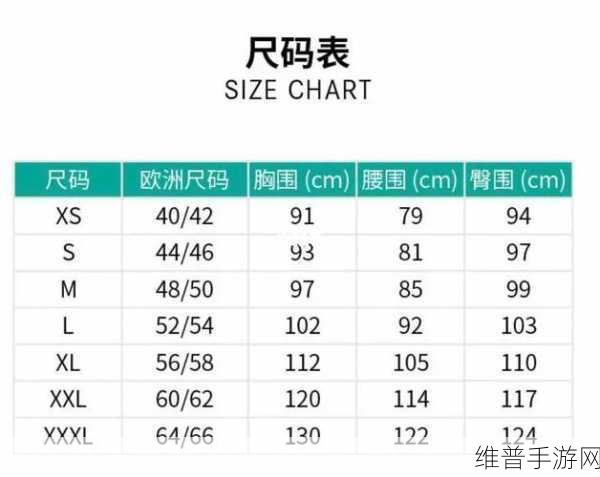
亚洲尺码通常根据身高、体重及胸围等进行测量,而这些数据往往以厘米为单位。此外,由于各国文化和身体结构差异,使得同一标称“L”或“M”的衣物在实际大小上可能有很大出入。在中国、日本、韩国等国家,普遍采用较小号数,因此即使是在相同品牌下,不同区域所生产商品也会有所调整。
流行趋势影响
近年来,全球化促使了时尚潮流的交融。很多欧美品牌为了满足东亚市场需求,在设计上逐渐向本地化靠拢。但值得注意的是,这并不意味着所有产品都完全符合当地消费群体的体型特点。因此,即便是知名国际品牌,其款式和剪裁依然会因目标市场而有所变化。
如何选购合适尺寸
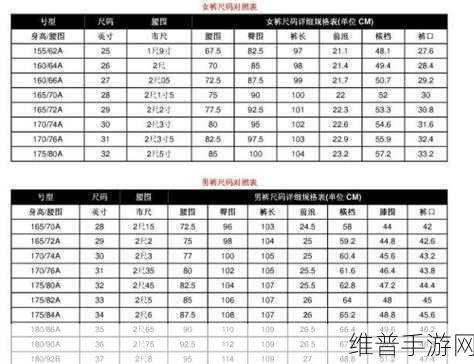
Selecting the right size can be a challenge, especially when shopping online. Always refer to brand-specific size charts that are often provided on their websites. For Asian consumers looking at European brands, it is advisable to measure your body dimensions accurately and compare them with the sizing guide of the specific brand.
退换货政策的重要性
The return policy becomes crucial in international purchases. Many online retailers provide flexible return options which allow customers to exchange or refund products if they do not fit as expected. Familiarizing oneself with these policies ensures a safer shopping experience and reduces anxiety about making wrong size choices.
Sneaker Size Comparison: A Special Case
Sneakers serve as an example where sizing differences can greatly impact comfort and performance. In Asia, sneaker sizes might differ from those listed by European manufacturers; thus, checking conversion guides specifically for footwear is essential before purchasing athletic shoes or casual sneakers.
Cultural Factors Affecting Sizing Choices
- In many Western countries, there tends to be more emphasis on loose-fitting styles compared to tighter cuts popular in various Asian cultures.
- This may influence how clothing fits across different diets and lifestyles associated with each region's culture.