嫦娥流口水流眼泪照片的背后故事
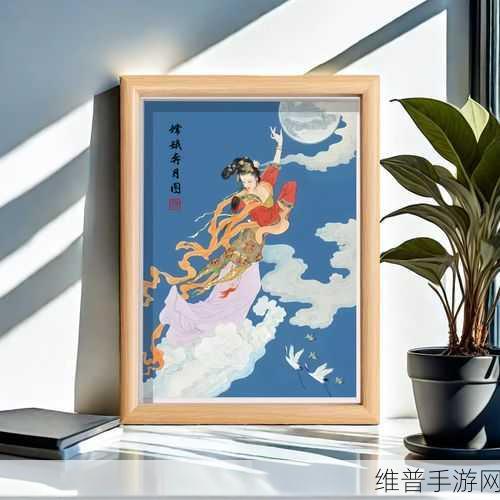
嫦娥奔月的神话在中国文化中占据了重要地位,传递着关于美、孤独和渴望的深刻情感。近年来,随着网络技术的发展,人们开始通过各种方式重新解读这一古老传说。在这些新兴表现形式中,一张引发热议的“嫦娥流口水流眼泪”的照片不仅让人捧腹,也带来了对传统文化的新思考。
图片内容与情感表达
这张捕捉到嫦娥形象幽默一面的作品,以其夸张而生动的表情吸引了大量关注。她那欲哭且笑、似乎夹杂着无奈与期待的面容,引起观众心底潜藏共鸣。这种反差鲜明的人物呈现,不仅使得原本严肃庄重的神话变得轻松搞笑,同时也激发了一系列讨论:怎样才能更好地将传统故事融入现代语境?如何理解那些看似矛盾却又真实存在于我们生活中的复杂情绪?
微博与社交媒体上的讨论热度
This photo's viral moment on platforms like Weibo and Douyin sparked an explosion of memes, remixes, and reinterpretations. Users flooded timelines with their creative takes on the image—some turning it into a symbol of adversity faced in daily life while others used it to convey feelings about relationship dilemmas. The engagement around this meme points towards how traditional narratives can be reshaped through contemporary lenses.
艺术家视角下的新解构
一些艺术评论者指出,这样一种简化和戏谑式处理,使得经典角色不再是历史遗迹,而是一种可以被自由发挥想象力再创造的对象。从某种程度上来说,它赋予了作为女性代表符号——嫦娥新的生命,通过嬉闹挑衅现实,让更多年轻人愿意探讨中华民族丰厚多元文化。
趣味科学:为什么会有这样的联想?
Psychologically speaking, humor often emerges from incongruity—the unexpected clash between what is traditionally serious (like lunar legends) and playful interpretations that elicit laughter or sympathy. This phenomenon reveals much about current societal attitudes toward historical figures; looking for relatability even within storied myths highlights modernity’s quest for emotional connection amidst age-old wisdom.
IDGAF精神:打破常规束缚
The “I Don't Give A F*ck” attitude resonates strongly among youth today who are eager to break free from conventional expectations imposed by society. By embracing such paradoxical expressions as depicted in the crying yet salivating Chang’e photo, individuals assert themselves against normative traditions—they redefine femininity not solely through grace but also vulnerability wrapped up in comedic representation.