小东西惹了火,责任与应对
生活中总会碰到一些意想不到的小麻烦,尤其是那些看似微不足道的事情,却可能引发大问题。例如,一个玩具被丢在阳台上,不久后竟然因为高温而起火。这种情况不仅让人心焦,也使得相关责任和处理方式值得探讨。如何有效地预防类似事件,并妥善应对突发状况,是每位家长和个人都需要认真思考的问题。
家庭安全意识的重要性
教育孩子们养成良好的习惯至关重要。无论是户外活动还是室内娱乐,都需时刻关注周围环境。在游戏过程中,常见的小物件如塑料玩具、纸张等容易被忽视,但一旦接触到热源,就有可能成为隐患。因此,从小培养儿童的安全意识,让他们明白什么样的行为可能带来危险,有助于减少事故发生的概率。
及时发现并处理潜在风险
家中各类电器、易燃物品分布广泛,因此定期检查这些潜在风险显得尤为必要。一些用户往往低估了积累时间过长或使用不当所导致的问题,例如老化的电线或者放置不当的洗衣机。在日常维护中,如果发现任何异常现象,比如气味变化或设备异响,应立即采取措施进行检修,这样才能从根本上降低事故率。
应急处置方案准备充分
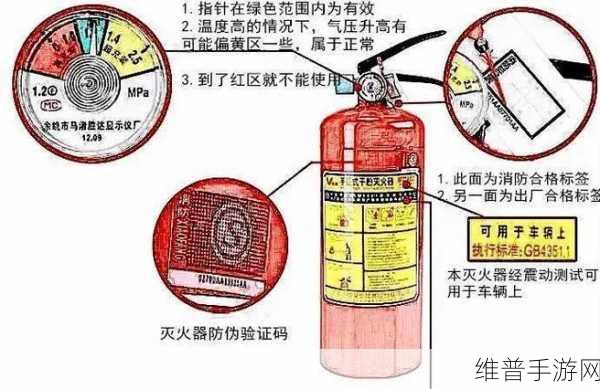
即便再仔细,我们仍无法完全避免意外发生。当烟雾弥漫、火焰升腾之际,冷静有效地处理将决定事态的发展方向。如果家庭里有适用于灭火的方法,如灭火器,那么学习其正确使用方法就变得十分重要。此外,全家成员也应该熟悉逃生路线,以免慌乱中的错误判断加剧危机。
心理建设与团队协作能力提升
Crisis situations often require quick thinking and teamwork. Parents should engage their children in discussions about potential hazards, helping them develop problem-solving skills under pressure. Role-playing different scenarios can provide valuable practice on how to react appropriately when faced with real-life emergencies. This not only enhances a child’s confidence but also reinforces the importance of communication during stressful times.
法律知识普及与责任划分
A clearer understanding of legal responsibilities surrounding safety issues is essential for every household. Inappropriate handling or negligence leading to accidents may have法律 consequences that necessitate awareness from both parents and children alike. Conducting research on local laws related to property damage or personal injury can help families prepare better and avoid unnecessary conflicts.