麻豆精产国品一二三产区的独特魅力
随着消费观念逐渐转变,越来越多的人开始关注产品的来源和品质。麻豆镇以其丰富的农资源,以及优质的生产环境,在近年来得到了广泛认可。这里不仅孕育了高质量的农业产品,更承载着深厚的人文底蕴与自然风貌,为消费者带来了无与伦比的选择。
一产区:绿色食品的天堂
在麻豆的一产区,主要种植的是各类水果和蔬菜。这片土地因其肥沃而闻名,各式新鲜果蔬应有尽有。从甘甜可口的杨桃到清香四溢的小黄瓜,这里所提供的新鲜食材,不仅保证了营养价值,还具有极高的大众接受度。有机栽培技术使得这些农作物更为安全,无化学残留,是追求健康饮食人群的不二之选。
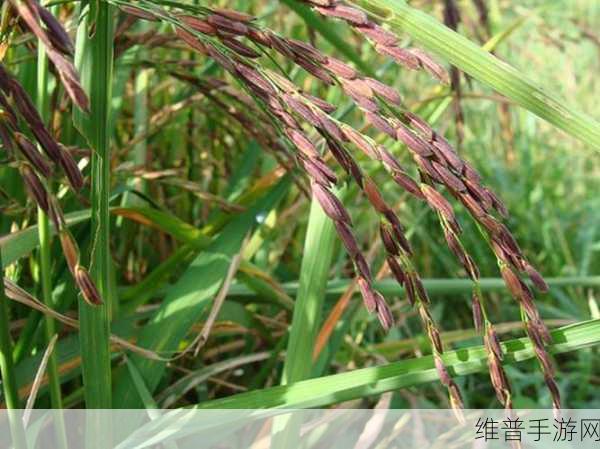
对注重绿色生活方式的人士来说,一产区出品的新鲜果蔬可以轻松融入日常餐桌。不少家庭已开始使用这类原料进行烹饪或者制作沙拉,以确保每一道菜肴都能保留更多天然成分。同时,当地还定期举办相关活动,让消费者亲身体验采摘乐趣,加深对绿色食品理念的理解。
二产区:传统工艺与现代技术结合
进入麻豆二产区,可以看到许多传统手工艺正在焕发新的活力。这里主要集中于加工领域,从酱油、醋,到各类腌制食品,每一种都是匠心独运。在保持传统技艺传承时,也不断引进先进设备,提高生产效率,使得每一个步骤更加精准、卫生。

热爱美食的人一定会被这一区域吸引,因为他们能够找到正宗且富有地方特色的小吃。例如,用当地优质大米酿造出的米酒,其细腻柔滑、回味无穷,成为不少游客争相购买的重要纪念。此外,这里的很多企业也积极参与电商平台,将优秀产品推向全国市场,满足不同地区消费者需求。
三产区:文化旅游交汇点
The third production area of Madu has transformed into a popular cultural and tourism hub. The region is rich in history, boasting numerous ancient temples and historical遗址 that attract visitors from far and wide. These attractions not only provide an immersive experience regarding local culture but also enhance the value of agricultural products through storytelling.
This area often organizes food festivals where visitors can taste dishes made with locally sourced ingredients paired with traditional culinary techniques. This offers tourists a unique opportunity to engage directly with farmers, learn about their practices, and appreciate the journey of food from farm to table.
User Perspectives: What Consumers Are Looking For?
The rise in health consciousness among consumers leads them to seek transparency in sourcing. They prefer products that are traceable back to their origin—this aspect resonates deeply within all three productive areas of Madu’s offerings. Additionally, sustainability becomes pivotal; eco-friendly packaging or organic certifications significantly influence purchasing decisions.