开会中的小秘密
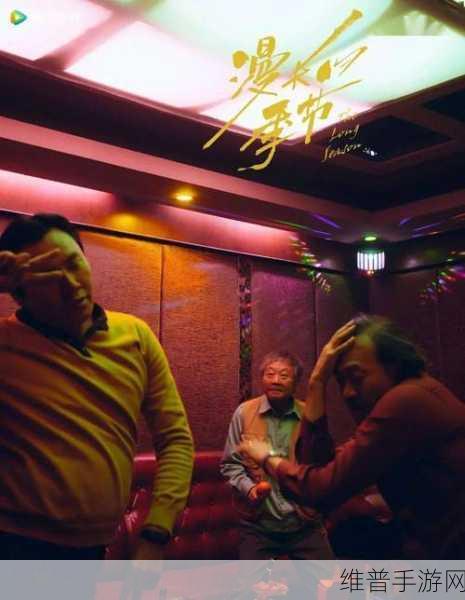
会议作为一个沟通和决策的平台,时常充满了紧张的气氛。在这个过程中,有些人为了避免直接目光接触,会选择在桌子下进行一些细微的互动。这种行为虽然不被所有人认可,但却反映出了人与人之间复杂的心理状态以及对权力和注意力分配的不安。
隐秘交流方式的重要性
很多时候,在正式场合,人们需要传达的信息不仅仅是口头上的。通过桌子下的小动作,比如偷偷传递纸条、交换手势等,可以达到增进理解与共鸣的效果。这种随意而非正式的交流往往能够打破僵局,使得参与者更容易放松心情,从而提升讨论效率。

人的本能:趋利避害
无论是在职场还是社交环境中,个体总希望在公正与偏见之间找到平衡。当某一方处于劣势时,他们可能会采取隐蔽的方法来获得支持。比如,一位员工或许会利用这一机遇向同事请求帮助,通过暗示或者简单手势表达出自己的意见,这样可以减少直接表态带来的风险。
如何识别并运用这种方式?
观察他人的肢体语言是一门重要技能。敏锐地捕捉到别人桌子下的一点动态,诸如脚的位置变化、身体倾斜度,都有助于解读潜台词。有经验的人通常能够快速调整自己的言辞,以便迎合集体期望,同时又不会显得过于明显。不妨尝试关注这些微妙之处,它所隐藏的信息价值不可小觑。
影响会议结果的新因素
The art of subtle communication often changes the dynamics within a meeting. When participants feel comfortable engaging in informal exchanges, it can lead to unexpected insights and creative ideas surfacing. Such interactions highlight the importance of emotional intelligence in professional settings—understanding when to speak openly versus when to employ quieter tactics.
Avoiding Tension Through Discreet Interactions
Tense meetings can stifle creativity and collaboration. By silently communicating under the table, team members may find relief from pressure while still contributing valuable thoughts. This form of nonverbal interaction acts as an outlet for stress and encourages a more relaxed atmosphere where innovative solutions can flourish without fear of immediate criticism.
适应不同文化背景:
Cultural differences significantly shape how people communicate during meetings. In some cultures, direct confrontation is avoided at all costs; hence, subtle ways like those mentioned become crucial for maintaining harmony while sharing opinions or concerns discreetly. It’s essential为了解决跨文化团队合作的问题,把握住这些差异以建立有效的工作关系,并确保每个人都能顺畅地发表观点,而不必担忧引发冲突。